
Product design
Create an object from scratch
Modeling, materials and studio lighting.
Course for beginners · Phase 1
Discover 3D motion design from the basics of Cinema 4D and Octane Render. Phase 1 lasts six months and adds After Effects for compositing and post-production.
Start date Wednesday, November 18, 2026 — Limited spots to ensure personalized support.
Learn. Create. Experiment.
Bring your ideas to life.
Why AfriPercept
We identify each learner's strengths and develop them through hands-on projects. Our goal: that you leave with a solid portfolio ready to show.
Our instructors work in the industry every day: they bring you closer to real work and to what the market demands today.
Each learner moves at their own pace. We strengthen your strengths and support your final project with one-on-one tutorials.
Most lessons are recorded: watch them whenever and wherever you want. Live sessions complete the program and answer your questions.
Who is this course for?
No prior 3D knowledge required. We start with installing the software and go step by step to your first professional render.
YouTube tutorials gave you some basics, but nothing fits together? The course method structures your knowledge and fills the gaps.
Graphic design, video, architecture… You are aiming for 3D animation or motion design: this program gives you a credible portfolio to land your first assignments.
The program
A six-month beginner program with about 40 sessions. Each module ends with a concrete project for your portfolio. Click a module to see the details.
First steps in Cinema 4D: interface, navigation, coordinate system. You learn to model with polygonal tools (box modeling), splines and mesh editing, following an industry-standard production workflow.
The Cinema 4D shader from A to Z: PBR materials, procedural and bitmap textures, UV mapping. You learn to create glass, metal, fabric and realistic surfaces without relying only on asset libraries.
Light is 80% of the render. Study of three-point lighting, HDRI, physical lights, then hands-on with the Octane Render engine: optimization settings, firefly management, high-quality final renders.
Motion curves, keyframes, camera constraints (look-at, dolly), product animation and an introduction to physical effects (X-Presso). You learn to give an image rhythm, not just make it move.
AI as an accelerator, not a crutch: moodboards with generative AI tools, texture and asset generation, render upscaling. You also learn to define an art direction — the skill that sets a software user apart from a 3D artist.
Compositing and post-production of your renders with After Effects: shot integration, titling, finishing and web export. You then edit a showreel and gather the best projects from the six modules into your portfolio.
At the end of the course
A portfolio of 3 to 5 3D projectsRenders, motions and art boards created during the course — not disposable exercises.
Cinema 4D, Octane Render & After EffectsModel and animate with Cinema 4D, light and render with Octane, then composite and post-produce in After Effects.
A 60-second showreelThe first document a client or studio looks at. It is ready to send at the end of Module 6.
Access to the AfriPercept communityInstructor feedback, project critiques and freelance opportunities shared among learners.

The course atmosphere
No empty theory: every session is designed so you leave with visible progress. You work on your own projects, from the first polygon to the final render — supported by an instructor and the learner community.
3D Inspirations
A few examples of scenes that Cinema 4D and Octane Render make it possible to explore: from product design to 3D environments.
Modeling, materials and studio lighting.

Shapes, reflections and a balanced composition.

Depth, architecture and luminous atmosphere.
Inspiration visuals created to illustrate the course; they do not represent learner projects.
Pricing & registration
120 000 FCFA
(approx. 180 €) — one-time payment at registration
Limited spots to ensure personalized support.
Frequently asked questions
No. Phase 1 is designed for beginners and lasts six months. We start with the basics of the interface and go to your first animated projects. A preliminary questionnaire lets us adapt the pace to the group.
Most lessons are recorded and available whenever you want. Live sessions let you ask questions, and our instructors remain available for feedback.
A computer with at least 16 GB of RAM (32 GB recommended) and a recent graphics card. Cinema 4D is available as a trial version for the entire course — we guide you through installation.
Yes, that is central to our method. Live, via WhatsApp and through one-on-one tutoring on your final project: we stay by your side until you submit your portfolio.
We contact you on WhatsApp within 48 hours to confirm your spot, answer your questions and agree on the session start date.
One-time payment of 180 € or 120 000 F CFA — pay via Mixx by Yas, PayPal, Flooz, Western Union, MTN MoMo, Orange Money, Moov Money, Airtel Money, Wave, Ecobank or PI-SPI. Payment details and the necessary instructions will be sent to you on WhatsApp after pre-registration.
They have already taken off
By the end of the course, our graduates join studios and work freelance on real projects. Here is what they say about AfriPercept.
“I started from zero in 3D. Within three months I already had a first render to show, and the instructors' feedback on my portfolio made all the difference when I applied.”
 Awa K.
“What convinced me was the method: real projects from day one and instructors who work in the industry. I signed my first freelance contract before the end of the session.”
 Serge D.
“The recorded format let me follow the course while working. The live sessions and the WhatsApp support filled every gap in my progress.”
 Mariam N.
Challenge AfriPercept
To close the program, each learner presents a project created during the course. Three winners will be recognized based on three criteria: creativity, technical mastery and presentation quality.
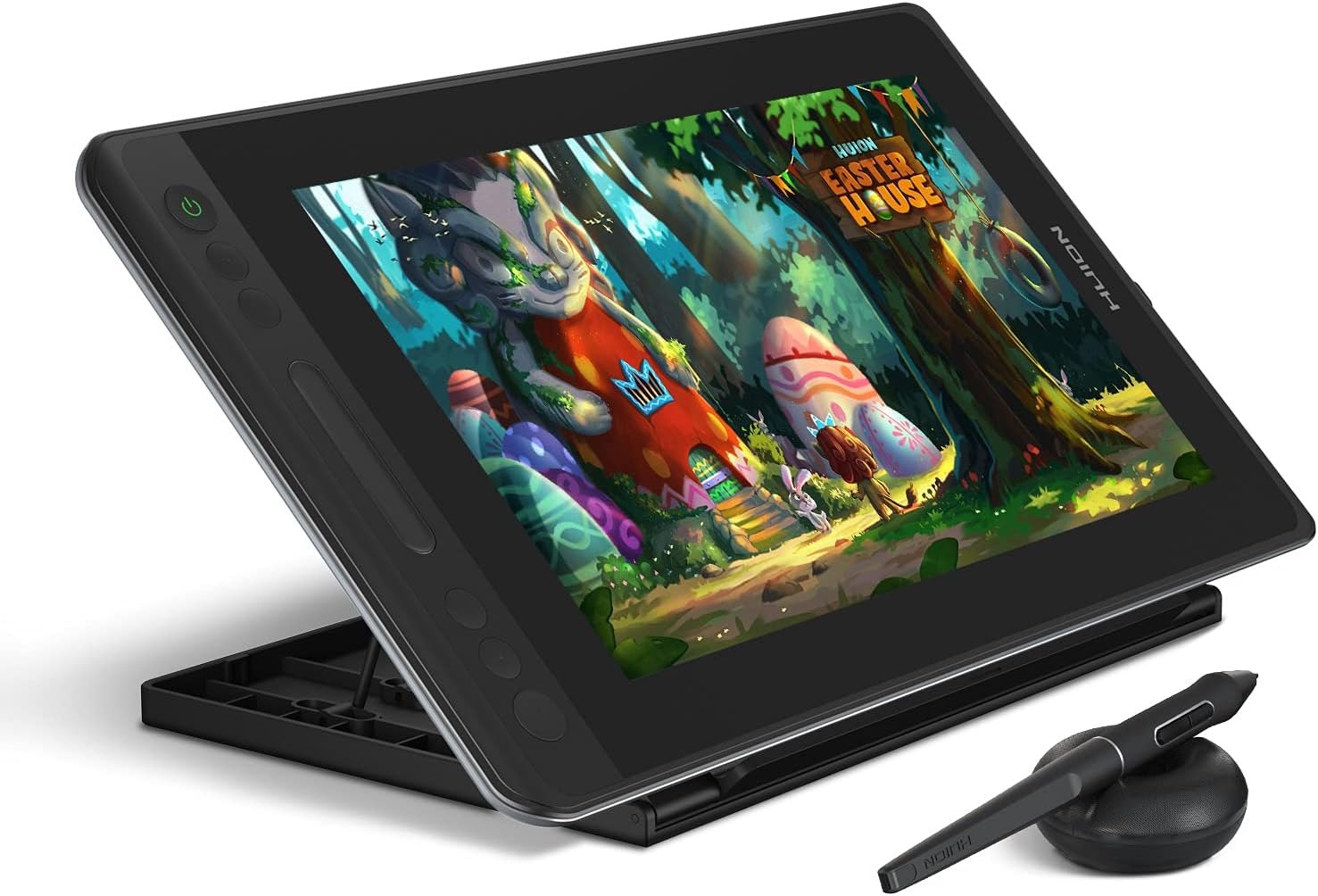
13.3-inch Full HD display tablet — for 3D practice and digital creation.
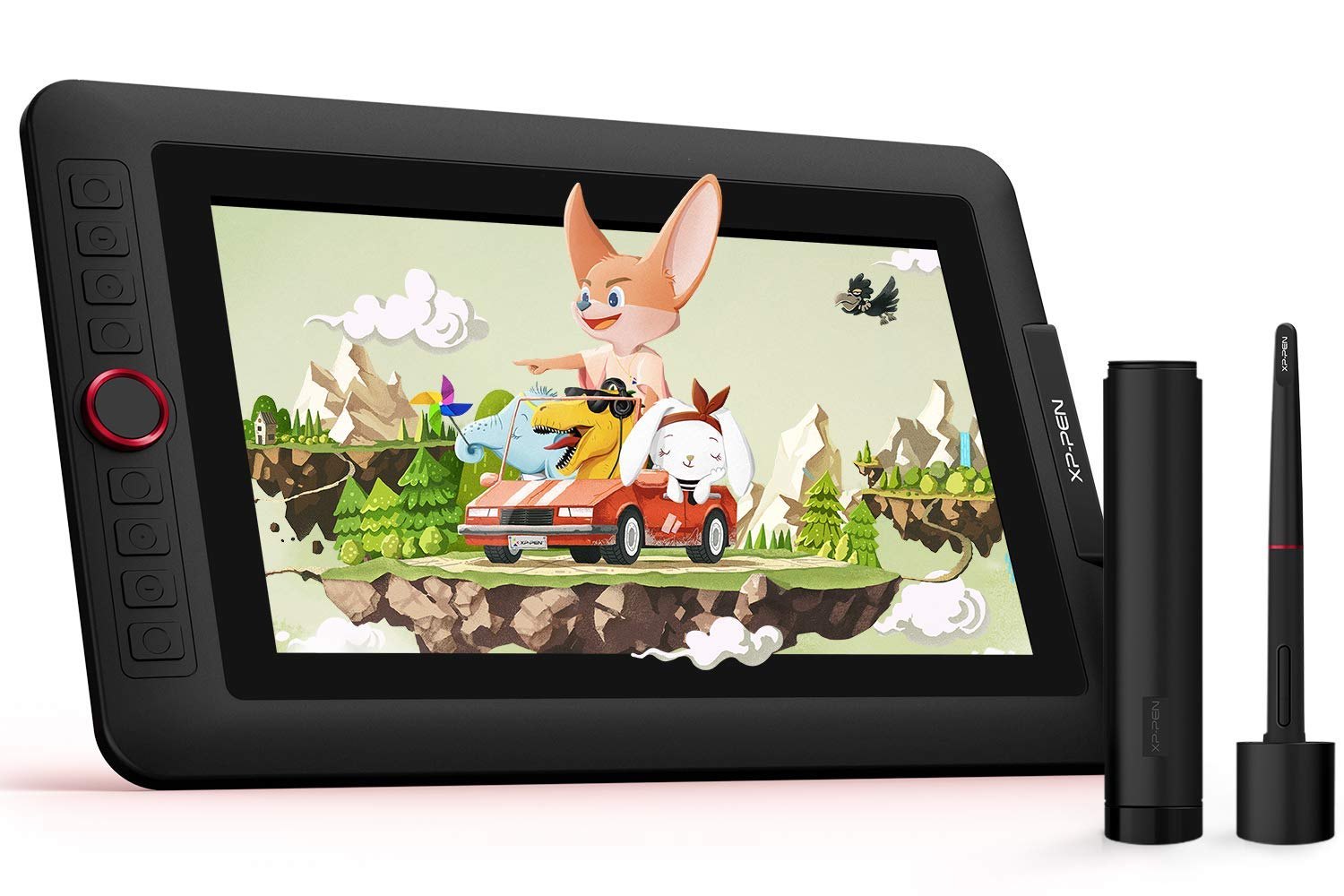
Professional graphics display — precision and comfort for your renders, illustrations and animations.
A second unit to win.
The three winners will be recognized at the end of the course.
News
Interviews, behind the scenes of student projects and AfriPercept community announcements.
Pre-Registration — Limited Spots
Fields marked with an asterisk * are required.
Thank you for your trust. The AfriPercept Academy team will contact you on WhatsApp within 48 hours to confirm your spot in the Cinema 4D for Beginners — Phase 1 course.